Most of this work is unglamorous and none of it scales. That turned out to be the useful
part. It is where I learned the difference between assembling something and building
something. Nearly all of it was done with the
Seva Commons Foundation.
Hygiene kits and first aid kits for two shelters
Seva Commons Foundation, Tri-Valley Haven, and FESCO Banyan House · 2026
I put together two kinds of kit for two shelters: first aid kits, and personal hygiene kits
for girls and women. Doing both at once taught me something I would not have noticed doing
either one alone.
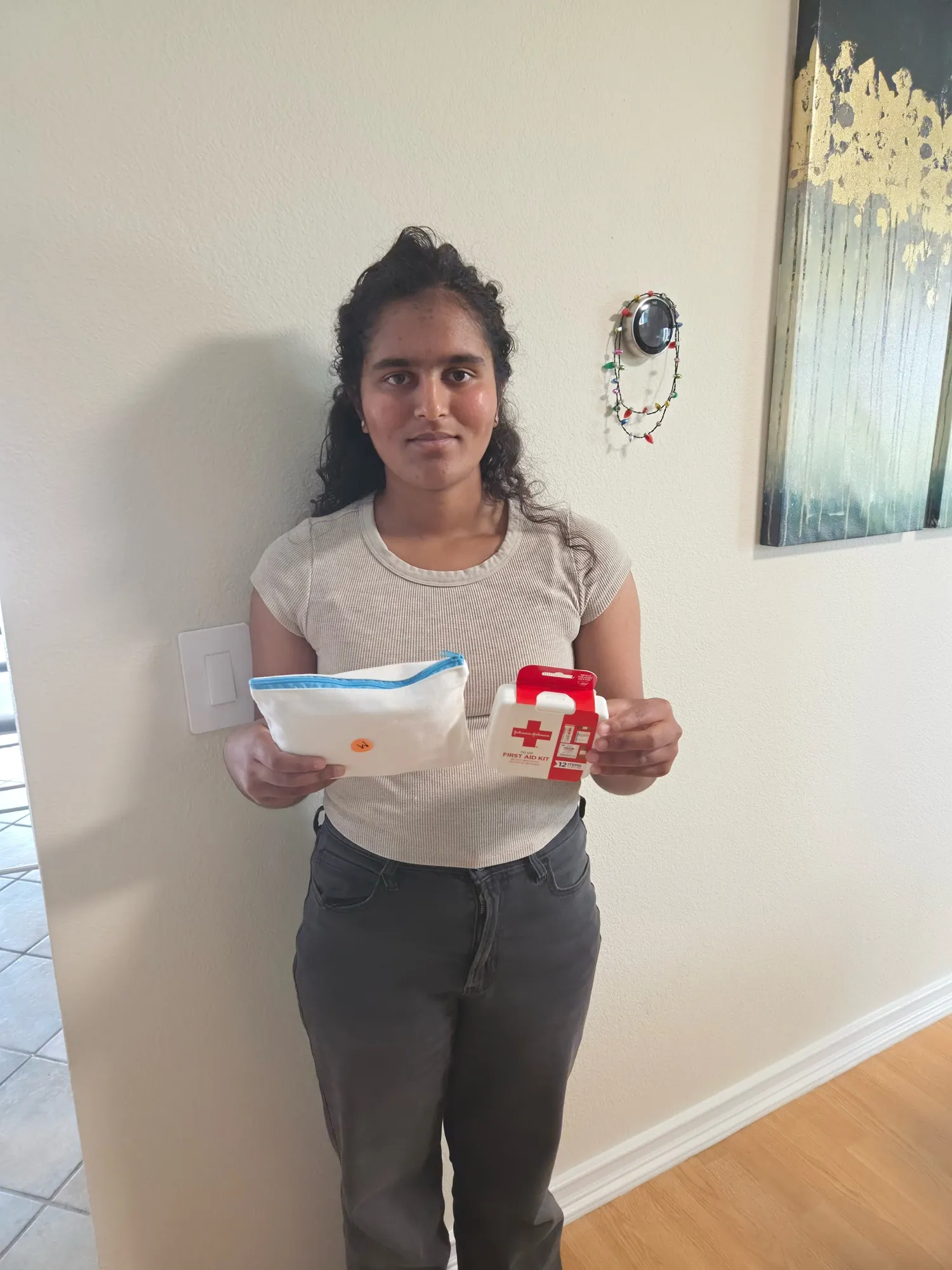
The first aid kits I bought. They come ready-made in a sealed plastic case, twelve items,
standardised, a few dollars each, available from any pharmacy. Somebody has already worked
out what belongs in one, and the whole category is a solved problem. My contribution was
choosing to buy them.
The hygiene kits did not exist until I made them. There is no shelf anywhere stocking the
thing a girl actually needs when her family has lost its housing and she has her period. So
I chose every item and packed each pouch by hand: period supplies, hand wipes, opaque
disposal bags, and a printed card with care and hygiene guidance so the kit explains itself
to whoever opens it, without them having to ask anyone anything.
That asymmetry is the part I keep thinking about. A cut finger is treated as a universal
problem worth mass-producing a solution for. Menstruation happens to half the population
every month, and the equivalent product is not on any shelf, which means shelters run short
of these supplies constantly. Food assistance does not cover them. They cost a lot for their
size. They are hard to ask for out loud.
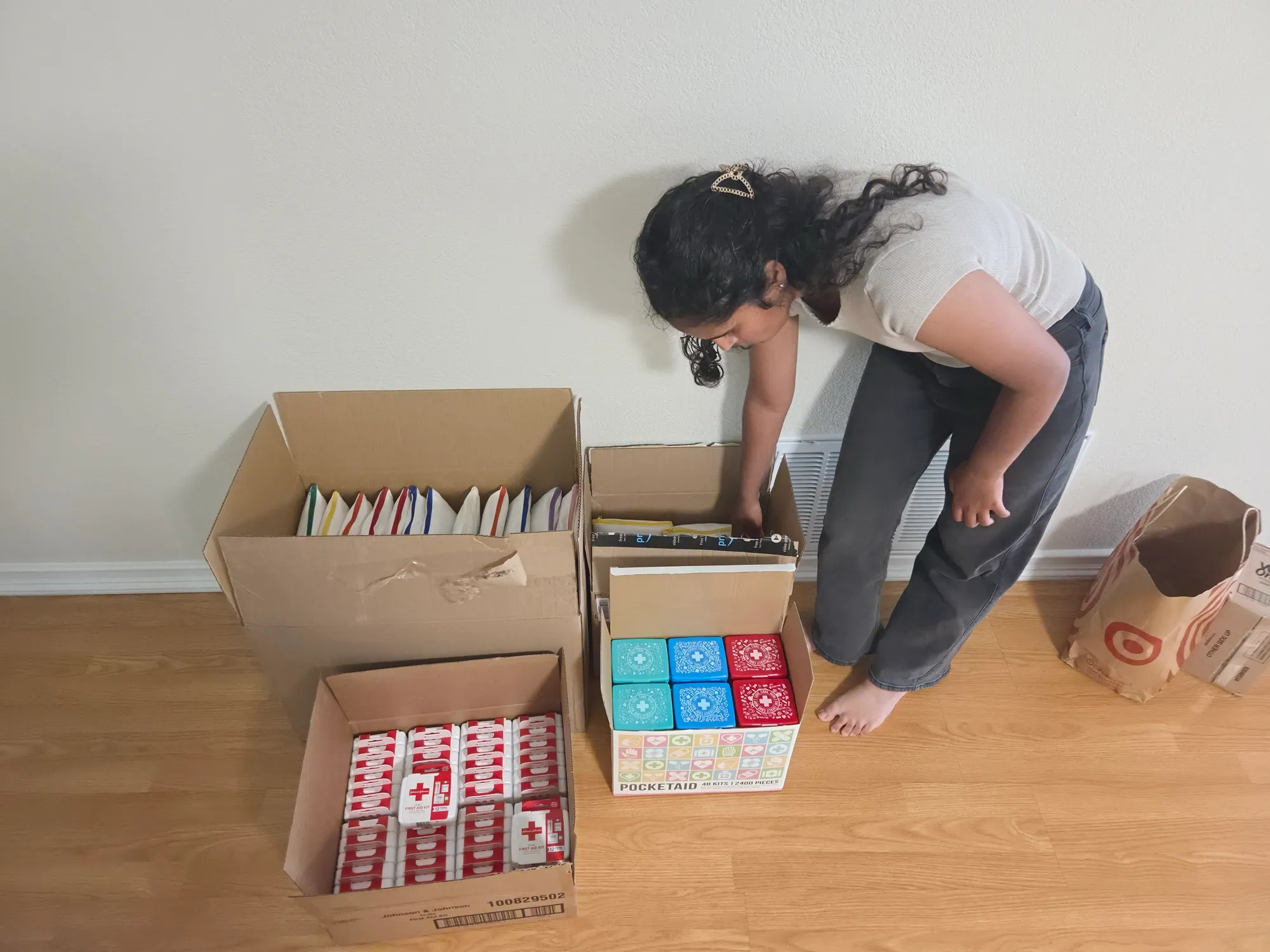
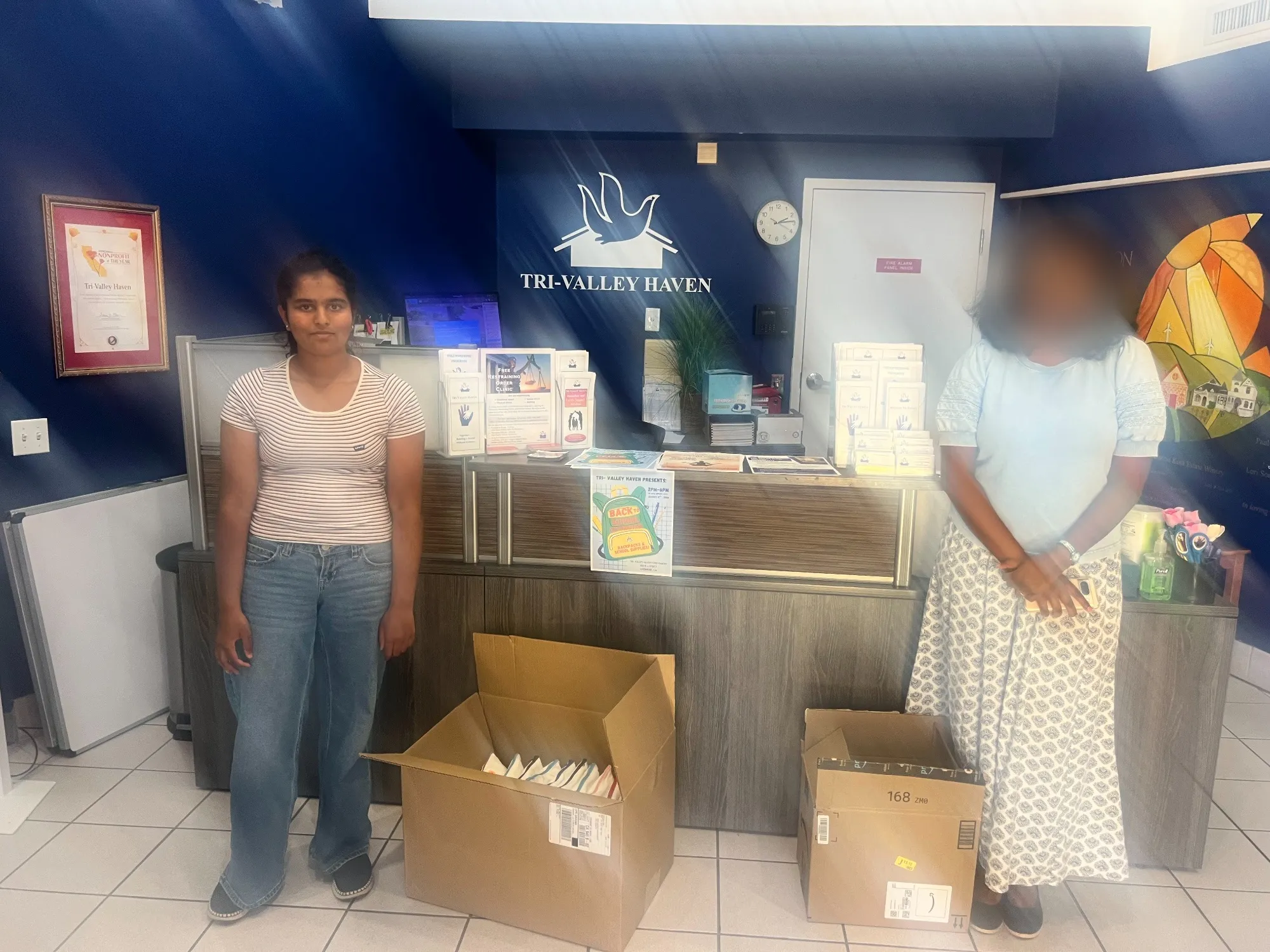
I assembled the pouches at my dining table over several days and delivered everything through
the Seva Commons Foundation to two shelters it partners with:
Tri-Valley Haven, and FESCO Banyan House, the
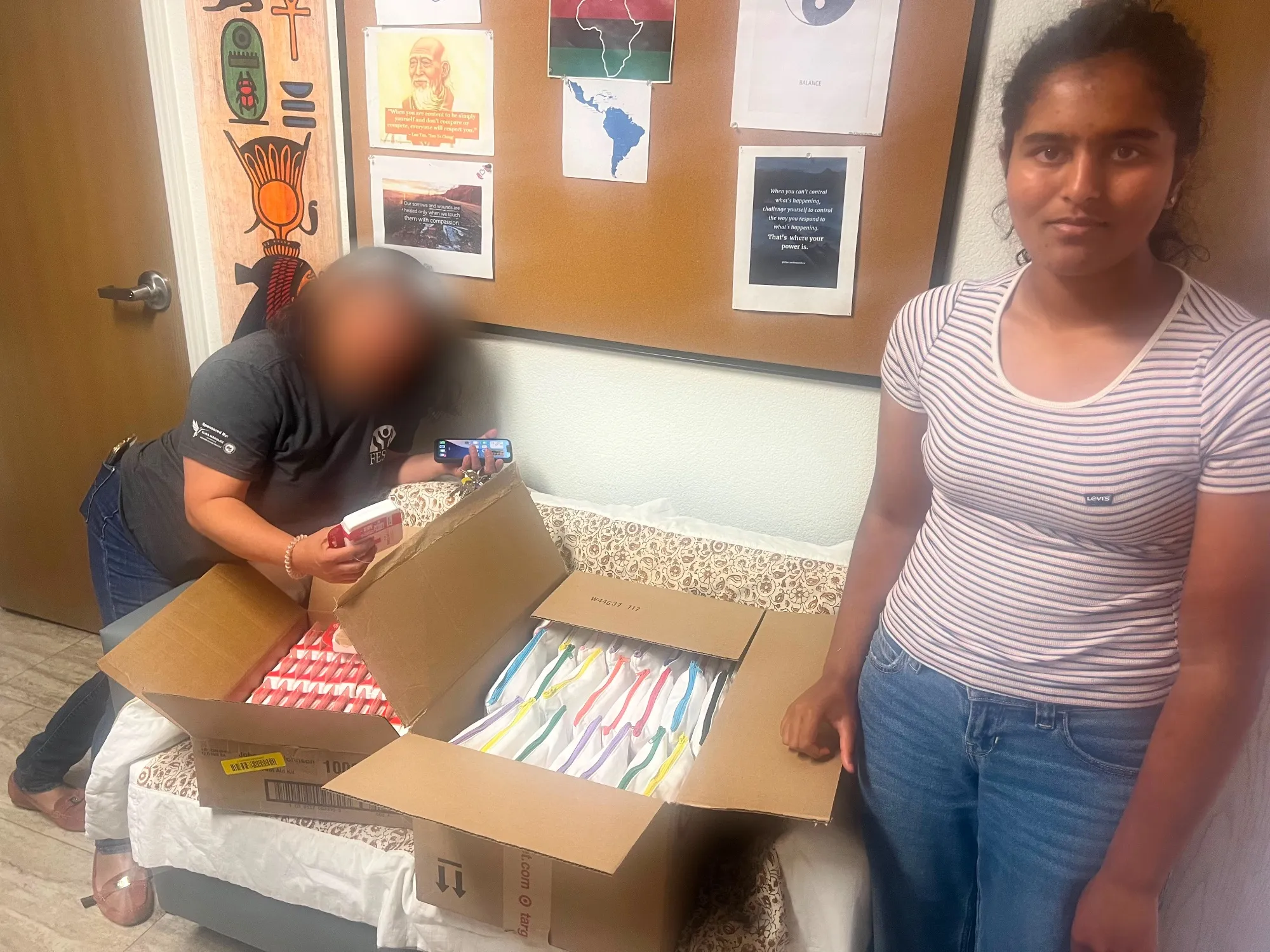
transitional living program run by the Family Emergency Shelter Coalition, which houses
around four hundred parents and children a year in mid-Alameda County.
Both serve families who have lost their housing, which is the situation I had in mind the
whole time I was packing. A family arriving at a shelter has what it could carry, and the
things a girl needs every month are exactly the things least likely to have made it into
that bag.
Dignity was the constraint I designed around. The pouch is opaque, it looks like an ordinary
bag, and nothing about carrying it announces what is inside.
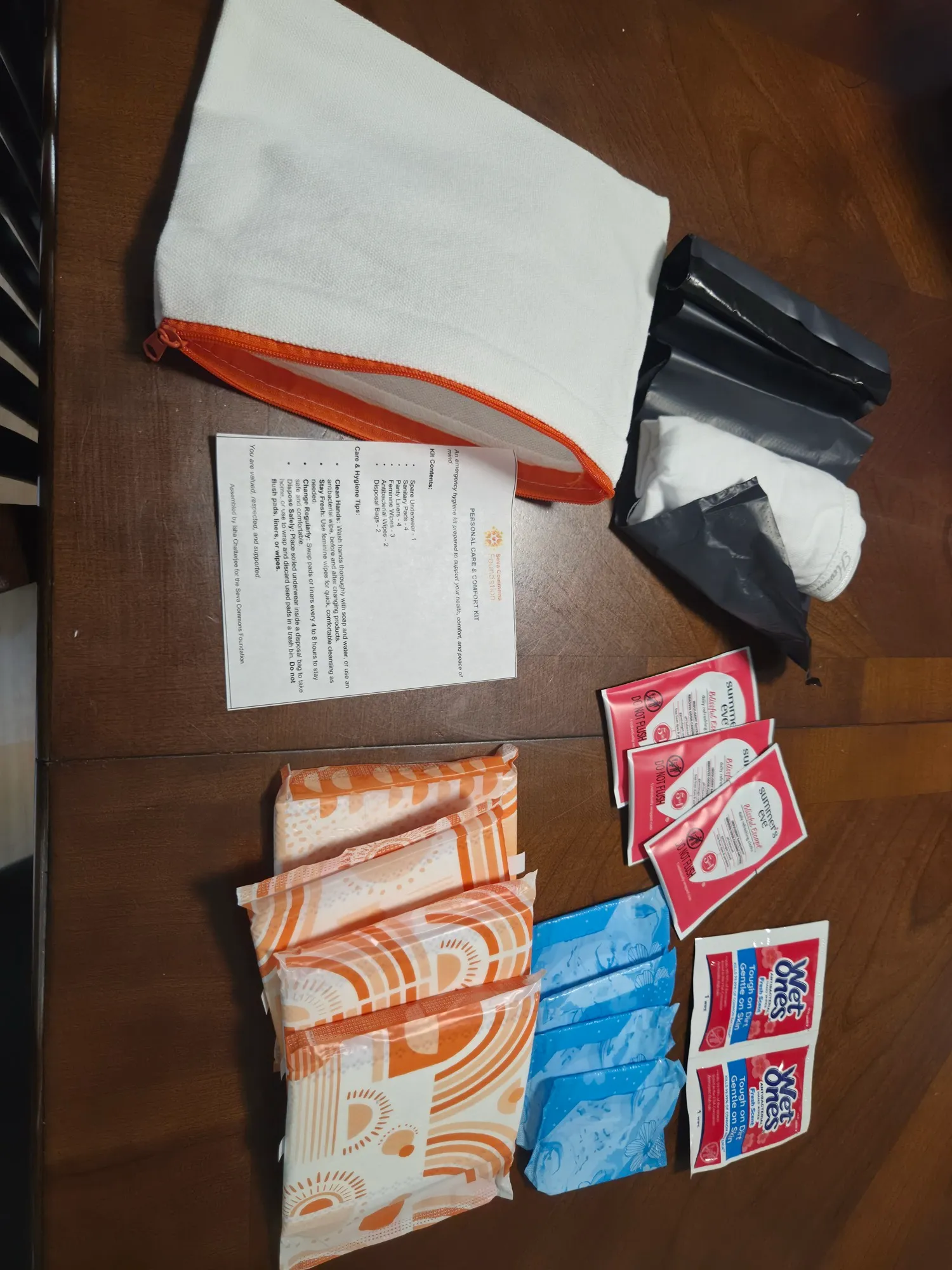
One hygiene kit, unpacked. Period supplies, hand wipes, opaque disposal bags, and a printed card of care guidance.The two kits side by side. The first aid kit on the right came off a shelf. The pouch on the left did not exist until it was assembled.Sorting supplies before assembly.Delivering to Tri-Valley Haven. A staff member’s face has been obscured for privacy.Unpacking on site. The staff member’s face has been obscured for privacy.
300+ meal bags for family emergency shelters
Seva Commons Foundation · 2025
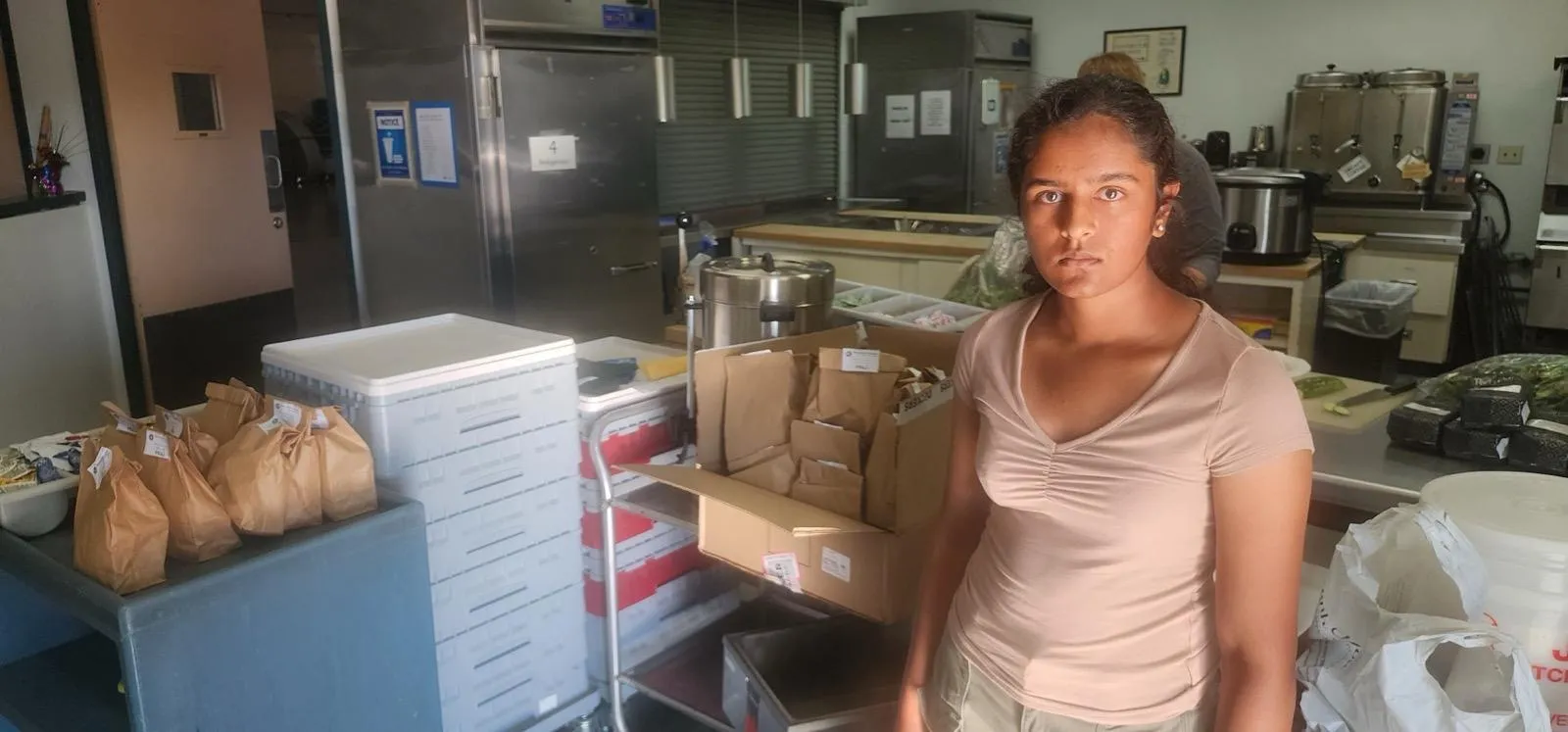
Over 2025 I put my service hours into the kitchen at the
Seva Commons Foundation, making sandwiches and assembling
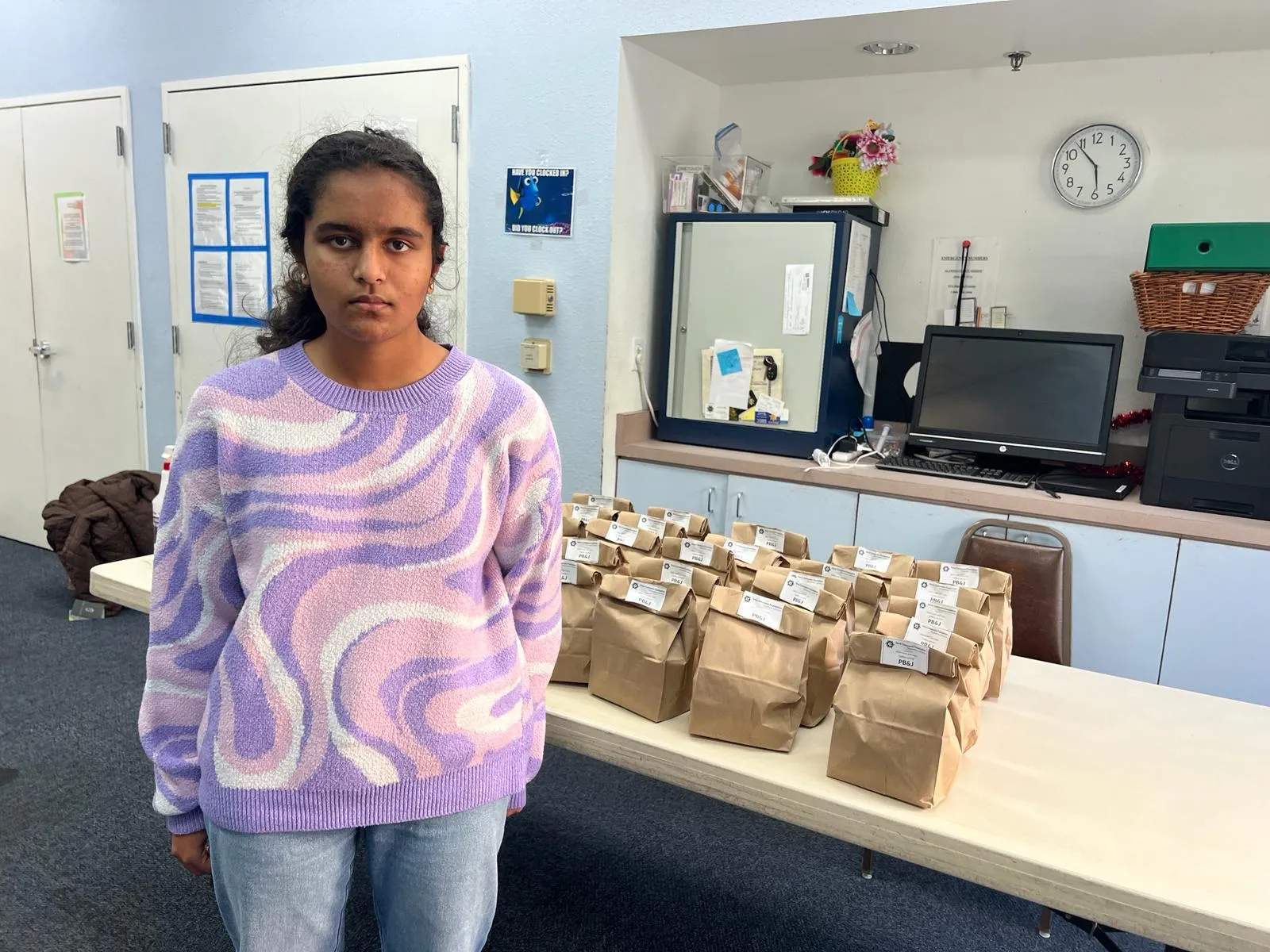
meal bags for local homeless shelters and foster homes. More than three hundred bags went out
over the year.
Seva Commons is a local 501(c)(3) that runs weekly meal distributions across Alameda, Santa
Clara, and San Joaquin counties, alongside supply drives and winter care packages. The
weekly rhythm is the thing that makes it work. Shelters can plan around a delivery that
arrives every Friday.
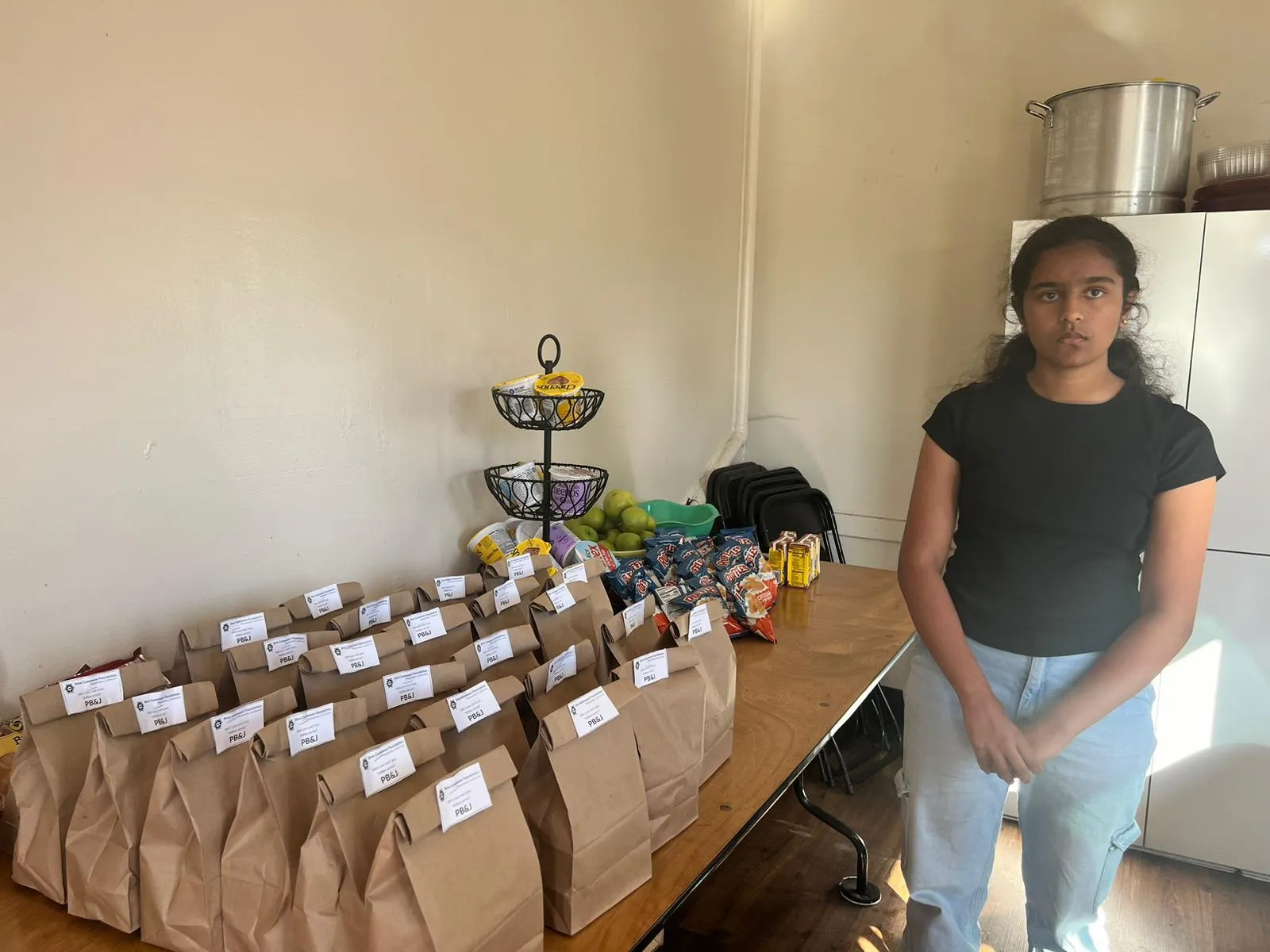
The work is repetitive by design. Sandwiches get made in a line, bagged, and labelled by
contents so that anyone with an allergy can tell at a glance what they are holding. Then the
sides go in: chips, an apple, a fruit cup, juice. Every bag is identical because every bag
has to be. A shift is measured in trays.
What the repetition teaches you is how thin the margin is. A family in emergency housing is
not short of one meal. They are short of every meal, indefinitely, and a bag covers exactly
one. Three hundred is a real number and also a very small one. Sitting with the distance
between those two facts is what stopped me thinking of service as hours you accumulate and
started me thinking about what could actually be built. The hygiene kits came out of that.
The kitchen where most of the work happened.Sandwiches bagged and labelled, with the sides staged alongside.A finished run, staged for distribution.
50 Christmas stockings for children in foster care
Seva Commons Foundation · December 2025
In December 2025 I organised and assembled fifty holiday stockings for kids at local
emergency shelters and foster homes, as part of the winter care drive run by the
Seva Commons Foundation.
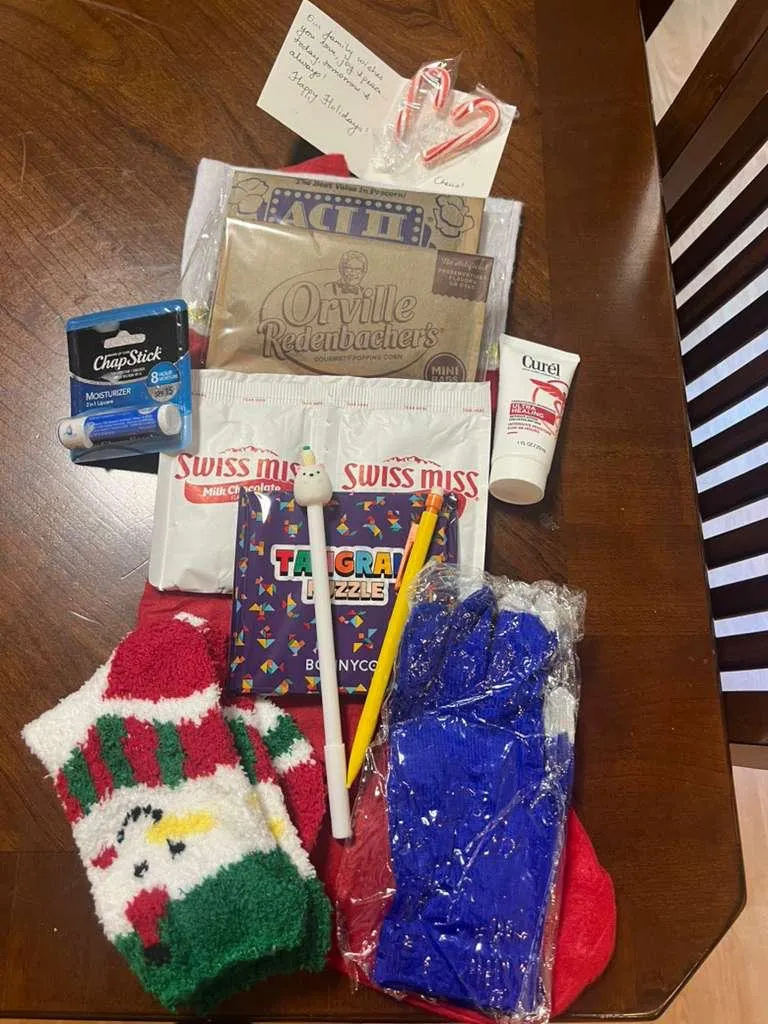
Each one held fuzzy holiday socks, gloves, packets of hot chocolate, microwave popcorn,
candy canes, lip balm, hand lotion, a tangram puzzle, and a pen and pencil. The mix was
deliberate. Roughly half of it gets used up in a week. The other half stays: a puzzle, a
pen, gloves that will still be around in February. A stocking made entirely of candy is over
the moment the candy is gone.
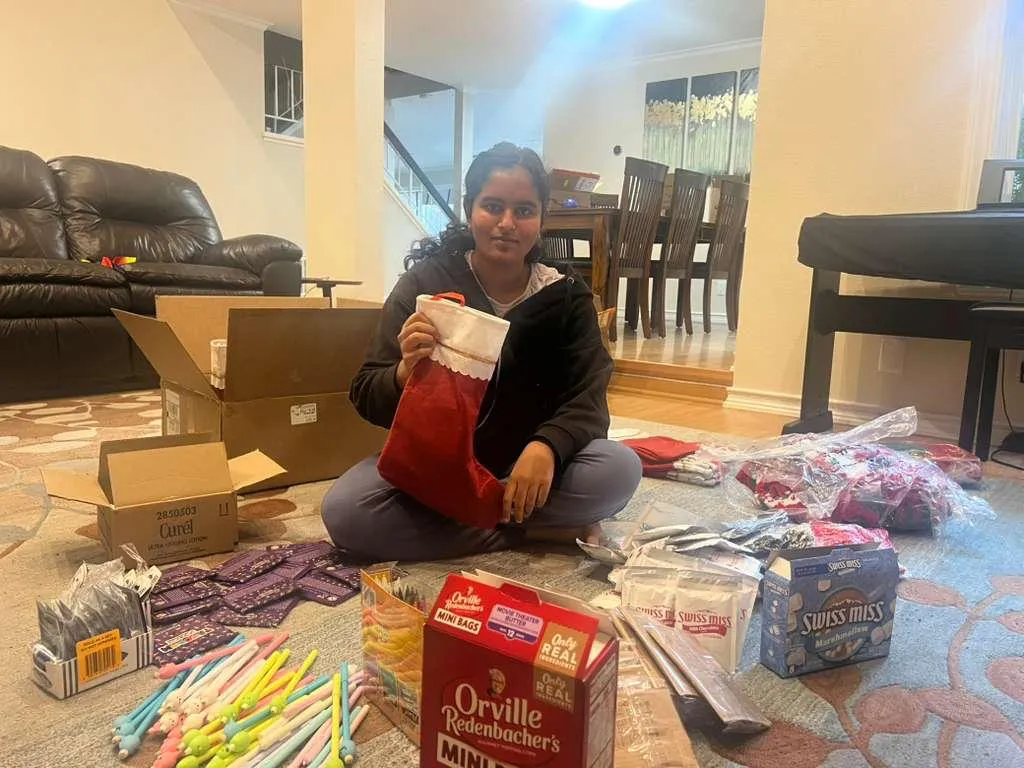
Everything was bought in bulk and assembled on the living room floor. That part looks like a
small warehouse operation and mostly involves counting.
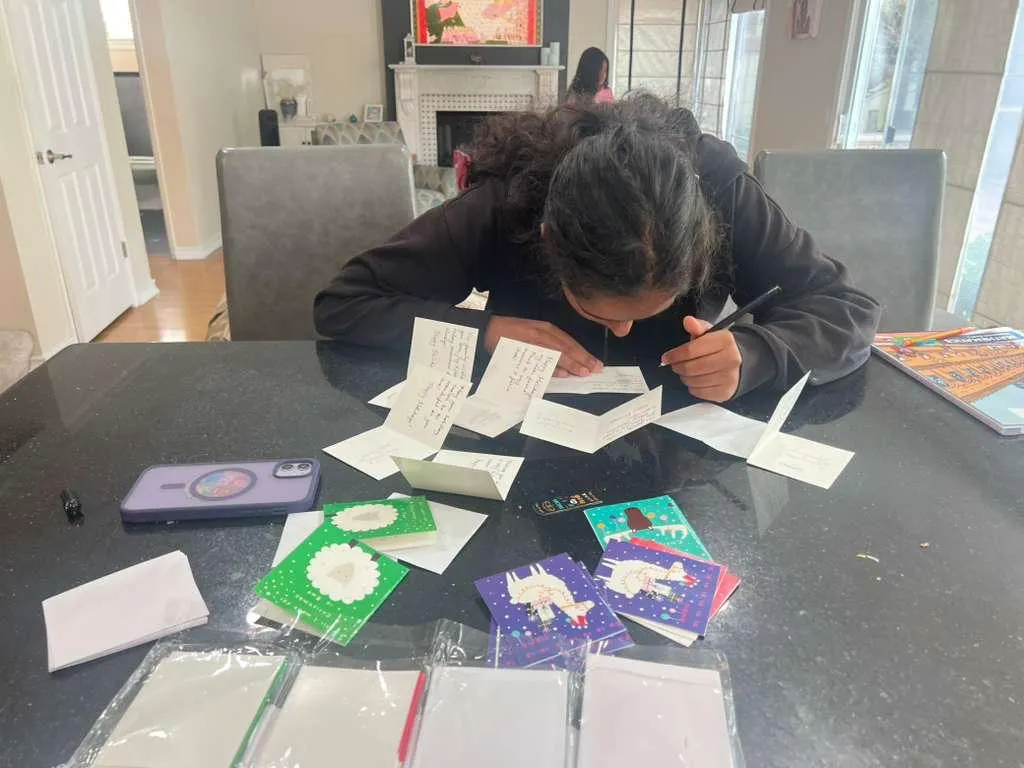
The cards took the longest. I wrote all fifty by hand, one at a time, instead of printing a
message and copying it. That decision cost an entire evening and it is the only part of the
project I would defend at length. A printed card is a donation. A handwritten one is a
person. Children in foster placements often move between homes with their belongings in a
bag, and they are on the receiving end of a great deal of anonymous generosity. Handwriting
is the cheapest way I know to signal that somebody was thinking about them specifically,
and not about the general category of children who need things.
One stocking, unpacked. The same contents went into all fifty. The card in each one was different.Assembly, from bulk boxes on the living room floor.Fifty cards, written one at a time.
Sewcial Club
American High School · Activities coordinator · 2025–2026
Sewcial is American High’s sewing, knitting, and crocheting club. As activities coordinator
I planned what we actually did each week.
I pushed the club toward projects that ended with something going out the door instead of
into a drawer. Members still got to show off what they could make, but the thing they made
was something another person would use. Skill and usefulness are not in tension, and a club
is a good place to prove it.
Afterword
Seeing where it lands
Partway through all of this I got walked through
FESCO Banyan House, one of the shelters we
deliver to. A staff member showed us the rooms, the kitchen, and the storage where
donations come in. I had been packing bags for a year by then without ever having seen
where they end up.
It did not make me feel better about the work. What it did was make the arithmetic
concrete. This many bags, this many families, this many weeks, and a storage room that
empties faster than it fills. I had been thinking of a delivery as a finished thing.
From inside the building it is closer to a rate.